Tribe said what? #007
|
Newsletter
|
By James West
Hey friends.
James headed down to Speciality & Fine Food Fair 2025 this week. The plan? A mix of inspiration, connections, and a bit of nosy shelf-watching. The bonus? More free samples than he’ll admit to. Beyond the snacking, a few brands stood out, not just for what they make, but for how they’re thinking about brand, product, and category.
Here are the ones worth paying attention to →
WHAT CAUGHT OUR EYE 👀
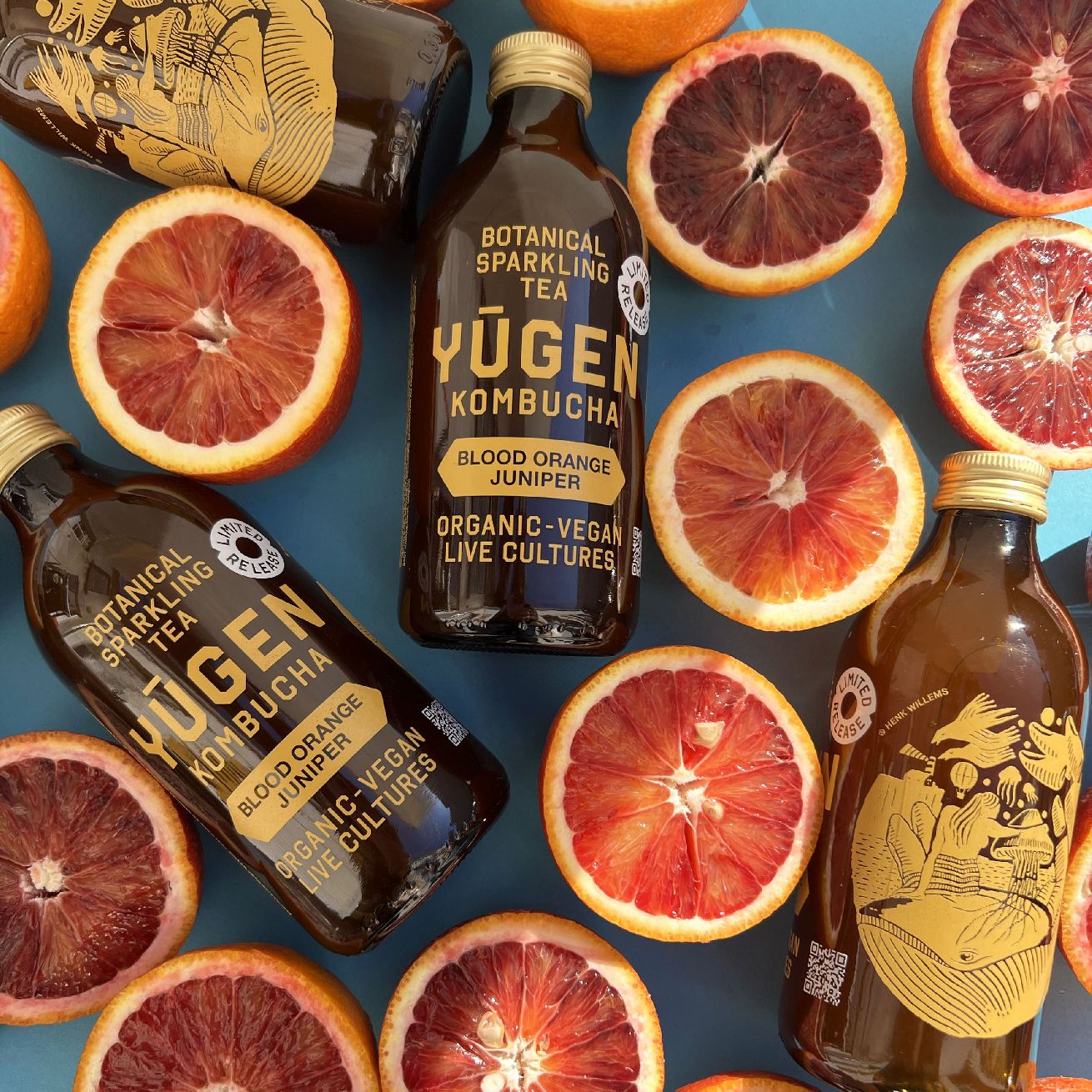
Yūgen Kombucha: Minimalism that makes noise
Minimal design is risky in a crowded category. Done badly, it looks unfinished. Done well, it feels confident. Yūgen Kombucha has nailed it. Their bottles strip things back to clean typography and soft colour palettes, then bring it to life with delicate illustrations that look like they belong in an art book, not just a drinks fridge.
While most kombucha brands still fight for attention with bold fonts, “health” cues, or loud, chaotic labels, Yūgen has chosen a calmer route, one that feels premium without shouting about it.
The result? Bottles that feel intentional, collectable, and stand out on-shelf precisely because they’re not trying so hard. It’s a reminder that sometimes the smartest branding move is restraint. When everyone else is screaming, whispering carries further.
CHALLENGER THINKING 🧠
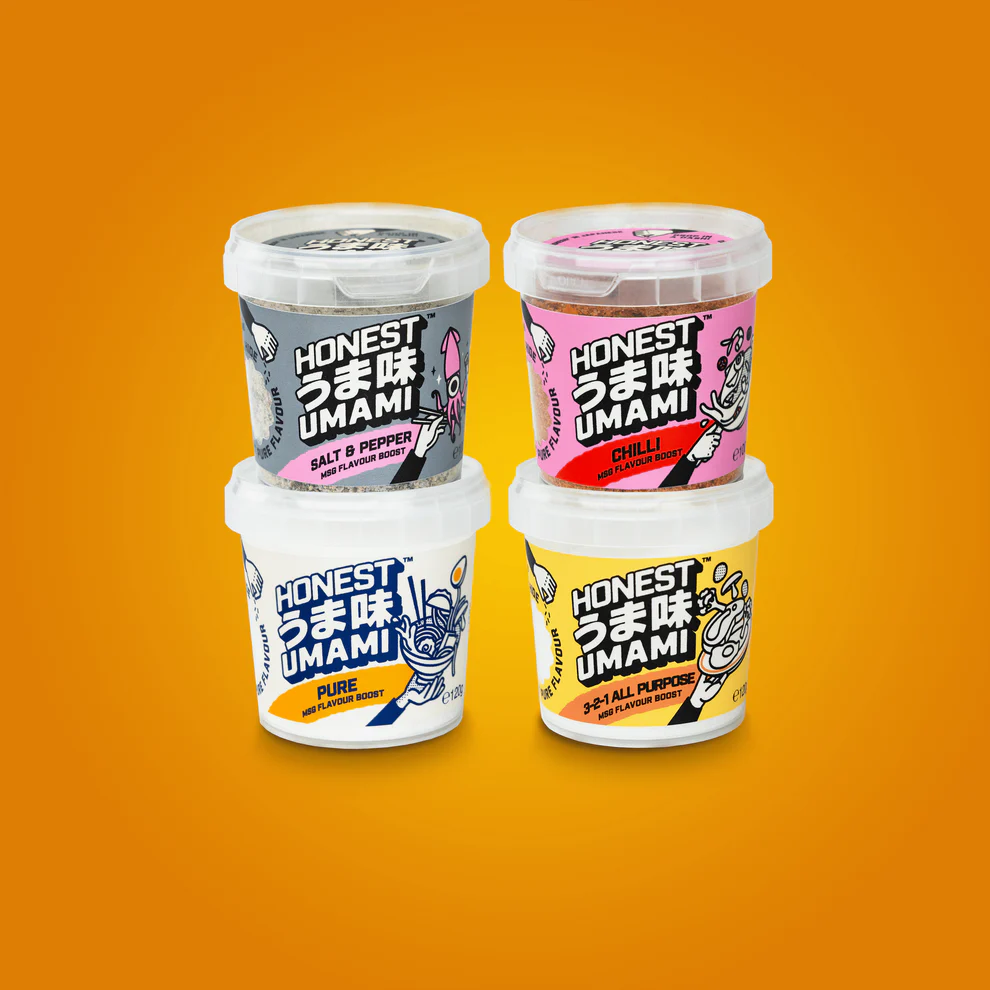
Honest Umami: Turning MSG from villain to hero
For decades, MSG has been the villain of the food world. Painted as unhealthy, over-processed, even dangerous. But science has consistently debunked the myths.
Honest Umami isn’t just acknowledging that, they’re leaning into it. Their whole brand challenges the tired, fear-driven narrative around MSG and reframes it as what it truly is: flavour. Instead of hiding behind euphemisms, they’re proudly calling it out in their name, their packaging, and their messaging.
This is textbook challenger behaviour: taking a cultural stigma, shining a light on it, and using truth as a weapon. By flipping MSG from “toxic additive” to “essential umami,”
Honest Umami isn’t just selling a product. They’re creating a movement around reclaiming joy in flavour. For any challenger founder, it’s a masterclass in how to win by owning the very thing others would hide.
BRAND SMARTS 💥
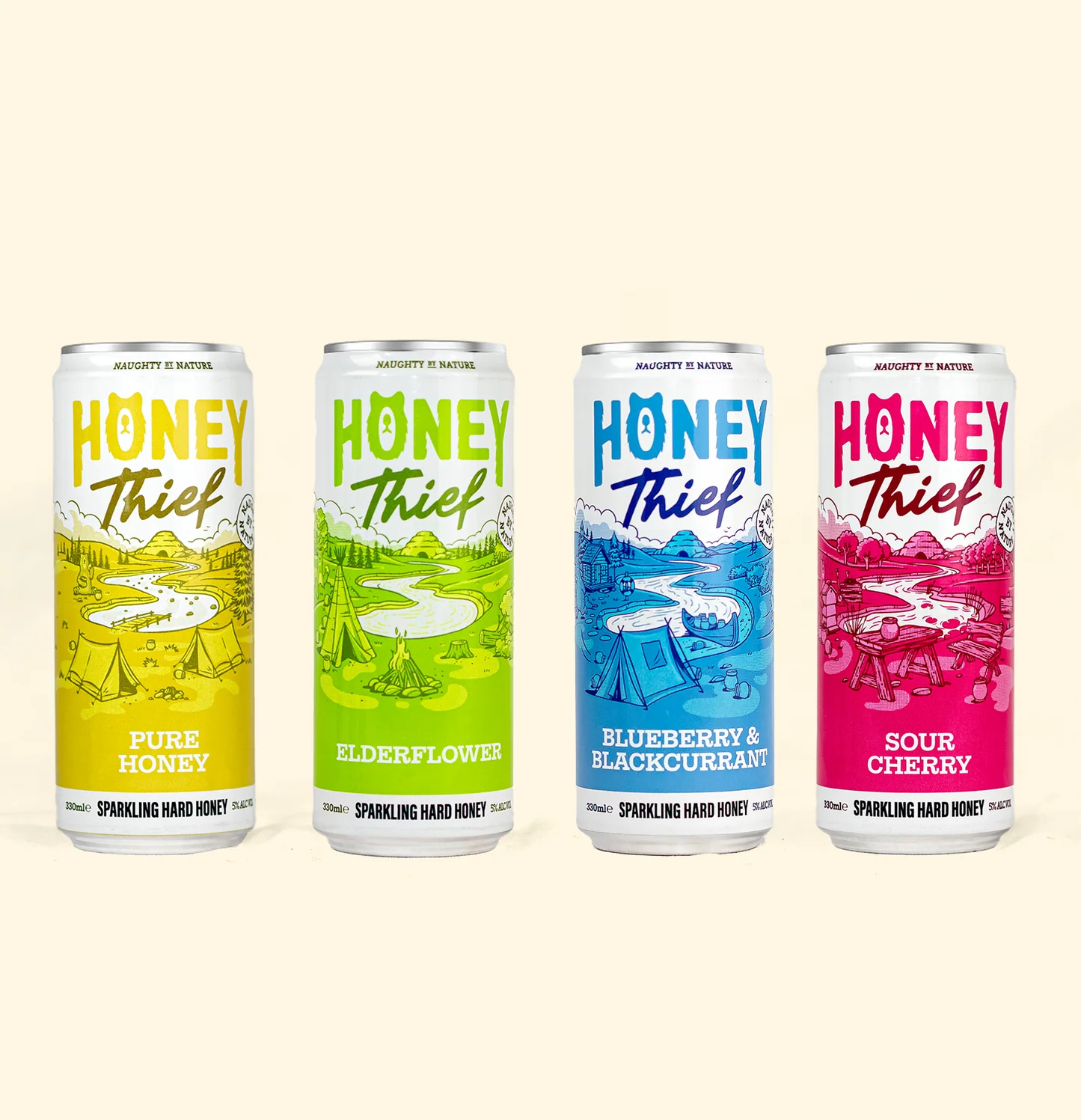
Honey Thief: How to make mead cool again.
Say “mead” and most people picture knights, goblets, and a dusty bottle at a renaissance fair. Not exactly Saturday night energy.
Honey Thief knows this, and they’re not fighting for relevance under the old name. Instead, they’ve rebranded the drink as “Hard Honey.” It’s simple, sharp, and instantly speaks to a younger audience who would never buy “mead” but will happily try a new hard beverage with a twist.
This is more than a label change. It’s a repositioning play, shifting the frame of reference from heritage curiosity to modern alternative. The cans look fresh, playful, and unpretentious, and the name alone does the heavy lifting of making an old-world drink feel new.
Founders often underestimate how much language matters. Honey Thief proves that sometimes the fastest way to shift perception isn’t changing the product at all, it’s renaming the story.
⚡️ Studio Inspiration ⚡️
WHAT WE'VE BEEN SCOFFING 🍺

WHAT WE'RE WATCHING ON NETFLIX 📚