What is a challenger brand?
|
Opinion
|
By Vicki West
It's not a size. It's not a budget. It's not even a category.
A challenger brand is a brand that competes on terms it sets itself, not on the terms the market leader sets for everyone else.
That's it. That's the whole thing.
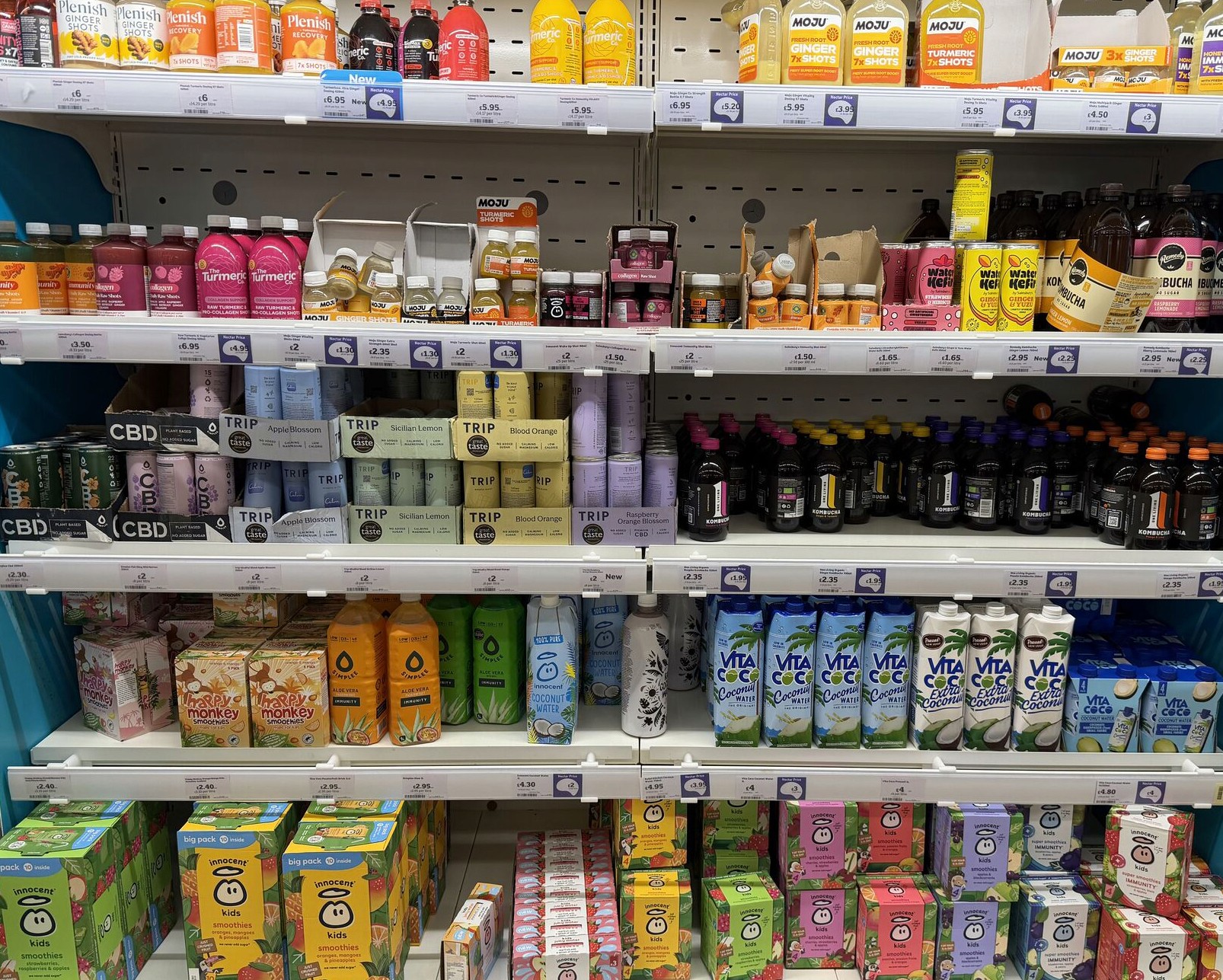
The word "challenger" gets misused a lot. People use it to mean small, scrappy, or underfunded. Sometimes it's used as a polite way of saying "not yet established." But that's not what it means. There are challenger brands doing tens of millions in revenue. There are market leaders doing hundreds of millions who haven't had an original idea in years.
The difference isn't scale. It's mindset.
Where the term actually comes from
The idea was formalised by Adam Morgan in his 1999 book Eating the Big Fish. Morgan defined a challenger brand as one with "ambitious business objectives beyond conventional resource levels" that has to "think and behave differently" to achieve them.
That definition has held up. Because the key phrase isn't "limited resources." It's "think and behave differently."
A challenger brand doesn't just compete. It reframes the conversation. It makes the market leader look like the boring, obvious choice.
Challenger brands don't win by being better at the same game. They win by changing what the game is about.
What challenger brands actually do differently
They don't try to be for everyone. They pick a lane, commit to it, and own it completely.
They have a point of view. Not just a product. Not just a mission statement on the about page. A genuine reason why they exist that you can feel in every touchpoint.
They make the category uncomfortable. When a challenger brand shows up and does it right, it tends to make the incumbents look complacent. That's the point.
A few examples that get this right:
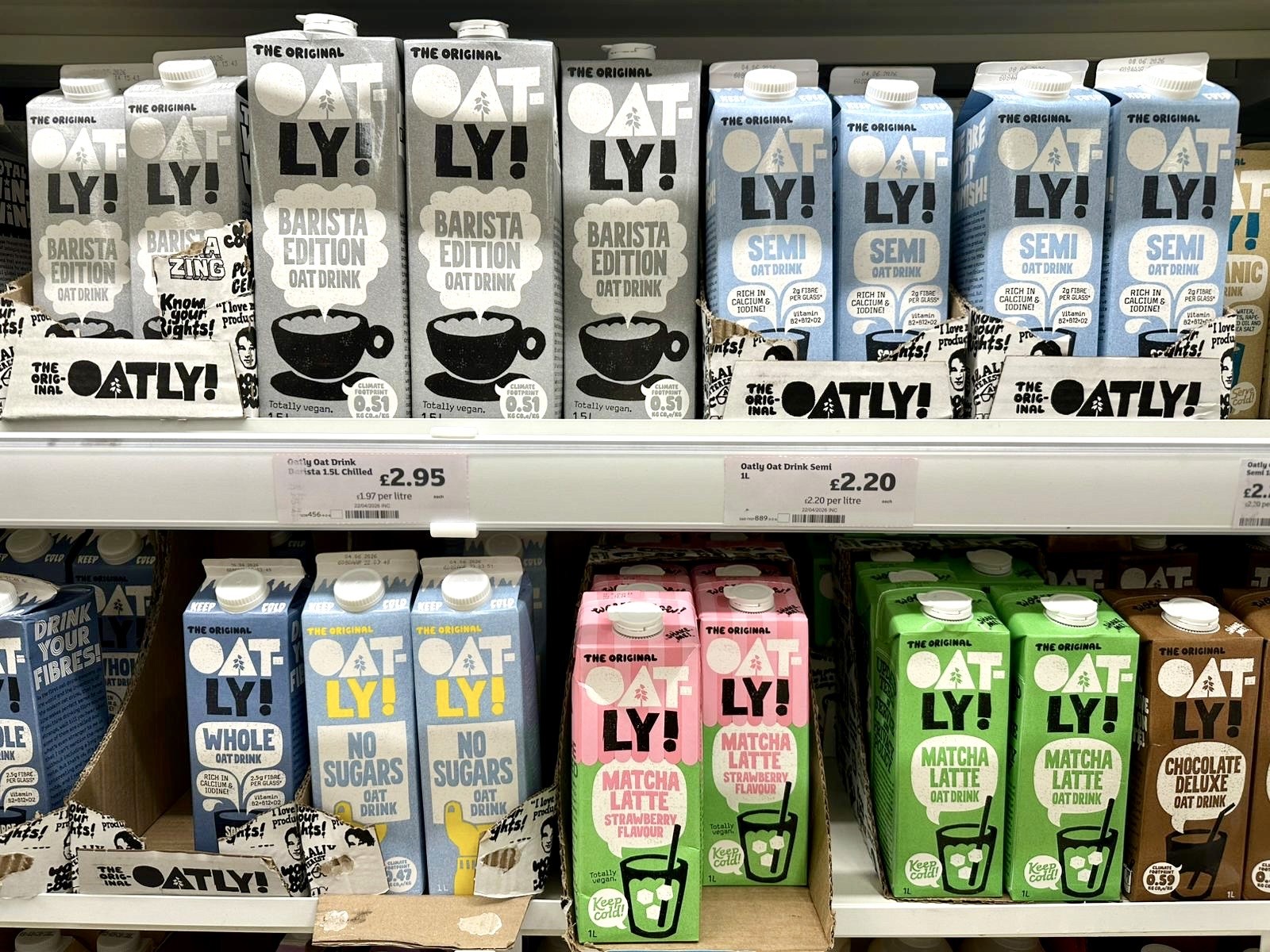
Oatly didn't launch as "an alternative to milk." They launched as a provocation to the dairy industry. The packaging talks back. The tone is confrontational. That's not accidental — it's a strategic choice.
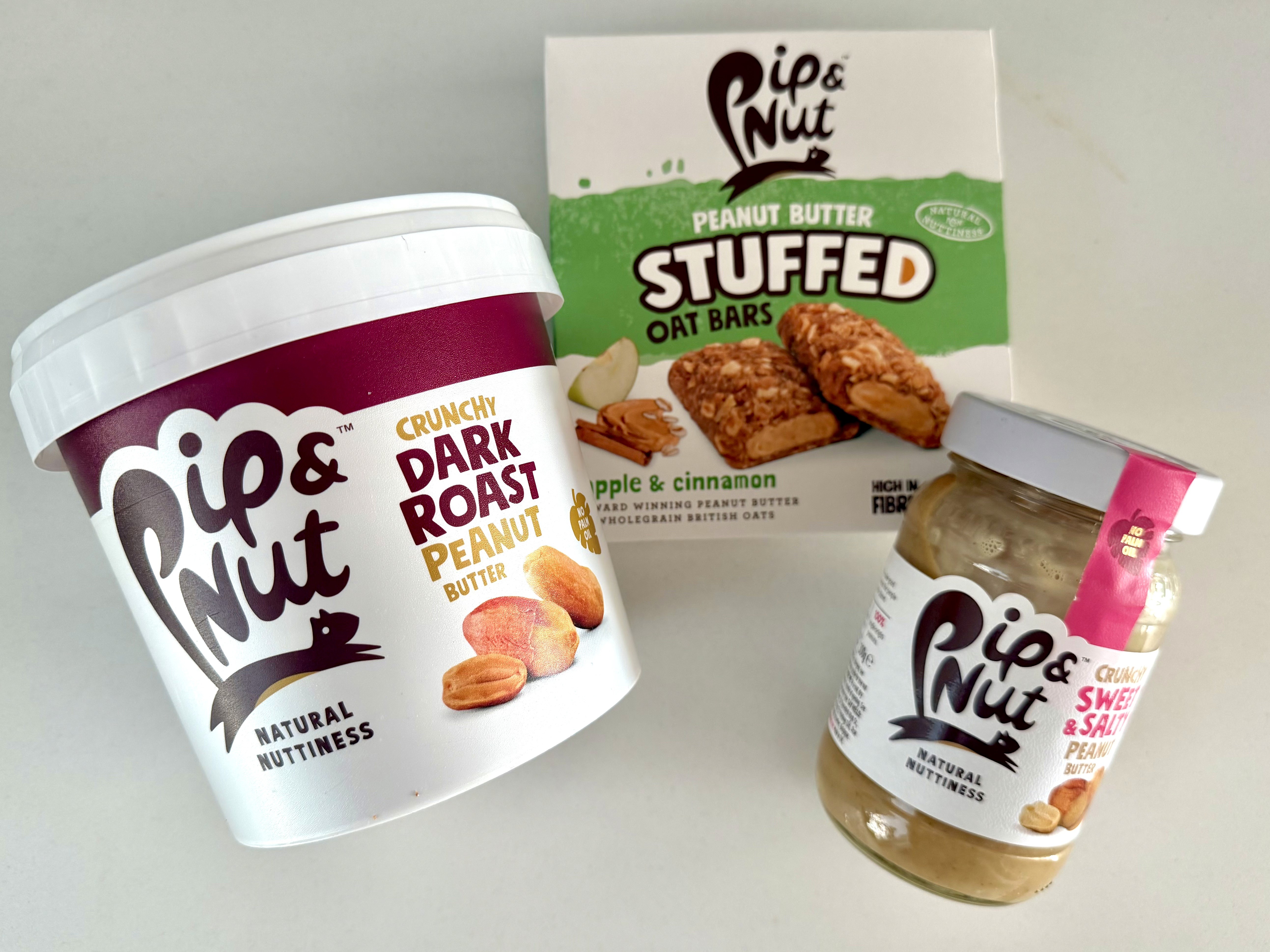
Pip & Nut entered a category dominated by one brand and one product. They made nut butter feel exciting, design-led, and worth paying more for. Same shelf. Different conversation.
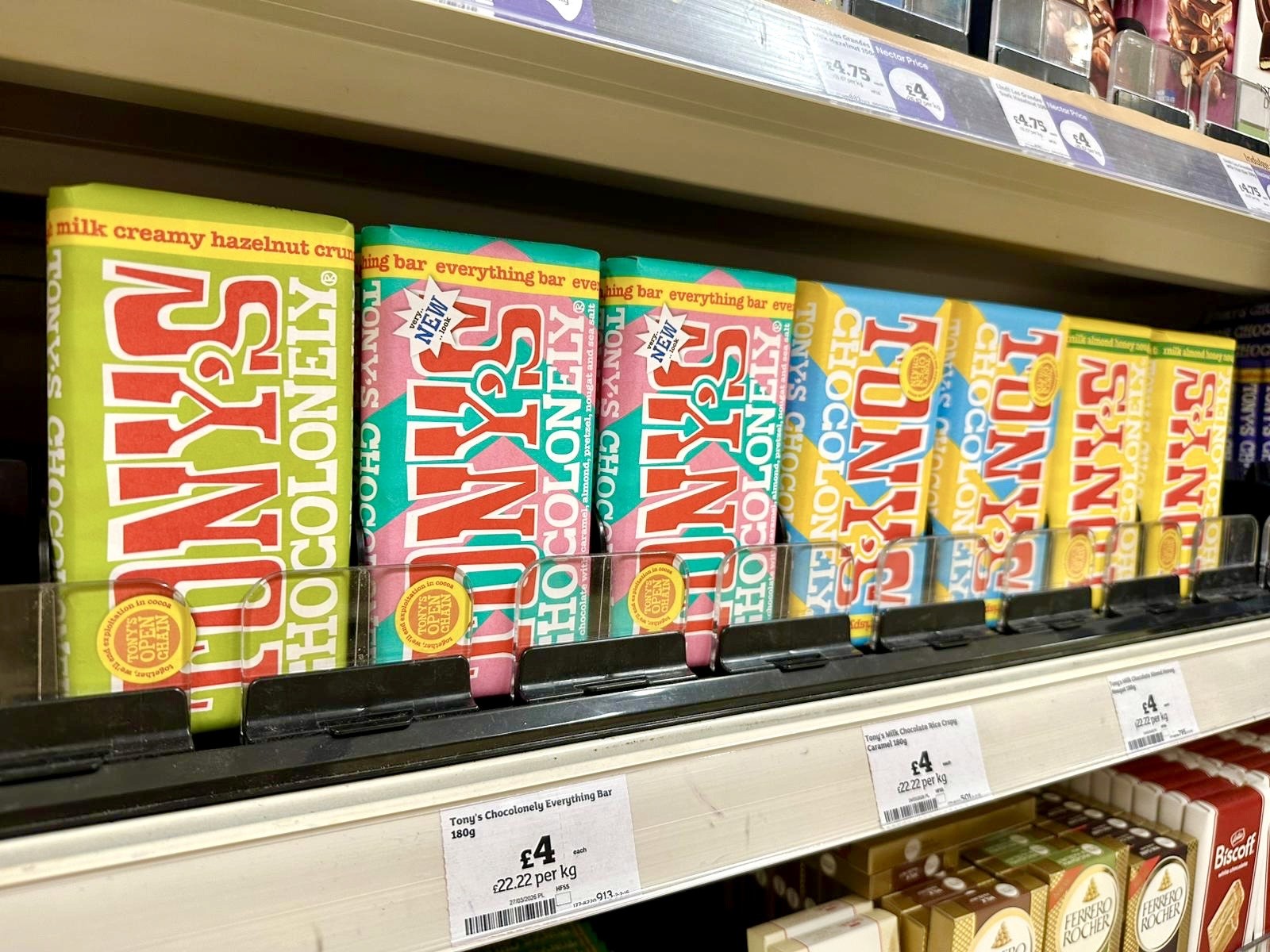
Tony's Chocolonely built an entire brand around what's wrong with the chocolate industry. Every design choice, every campaign, every pack references the mission to end exploitation. You can't look at a Tony's bar without understanding what it's against.
None of these brands are small anymore. But they all started by doing something the category leader wasn't: taking a position.
Why brand identity matters more for challengers
Market leaders can afford to be boring. They've got distribution, shelf space, and decades of familiarity working in their favour. The name does the work.
Challengers don't have that luxury.
When you're a founder-led brand without a marketing budget the size of a small country, your brand identity has to work harder than any other asset you have. It has to communicate who you are and who you're for in the time it takes someone to glance at a shelf.
That's why challengers who get their brand right early tend to grow faster, earn better retail listings, and build the kind of loyalty that's genuinely hard to compete with. And why challengers who skip that step — who launch with something that looks fine but says nothing — tend to plateau.
It's not that design is decoration. For a challenger brand, design is the argument.
This is the space we work in
At A Tribe Called West, challenger brands in CPG are our home. Founder-led, product-first businesses that have got real traction but whose brand identity hasn't kept pace with where they actually are.
We're not generalists. We chose this niche deliberately because we believe challenger brands deserve the same quality of brand thinking that's usually reserved for the big players. The strategic depth. The considered design. The work that holds up at retail.
Gutsy founders. Great products. That's who we're here for.
